Marie Litta House
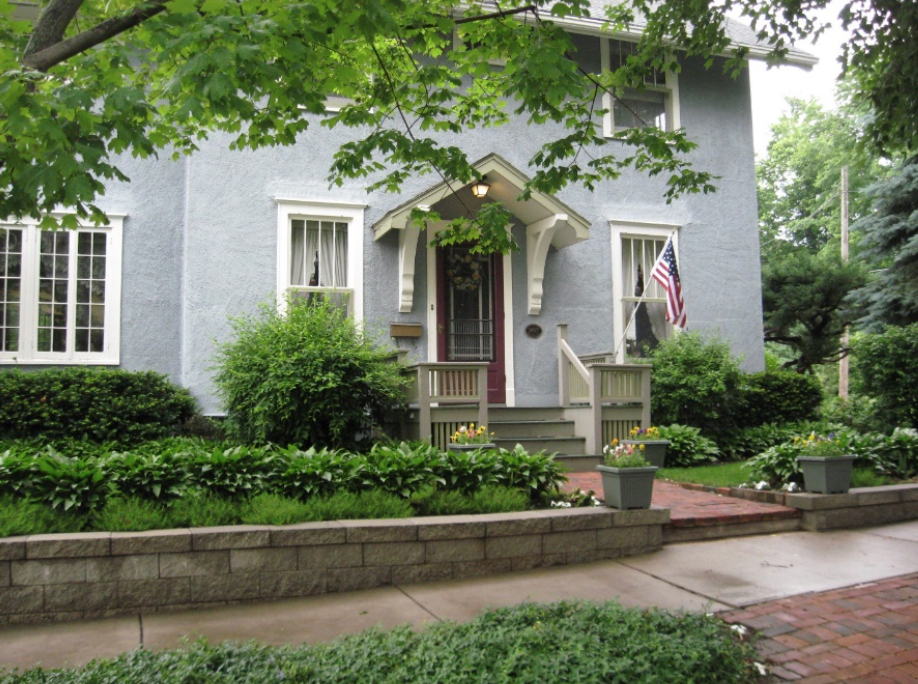
512 E. Taylor Street
maria-current
maria-litta
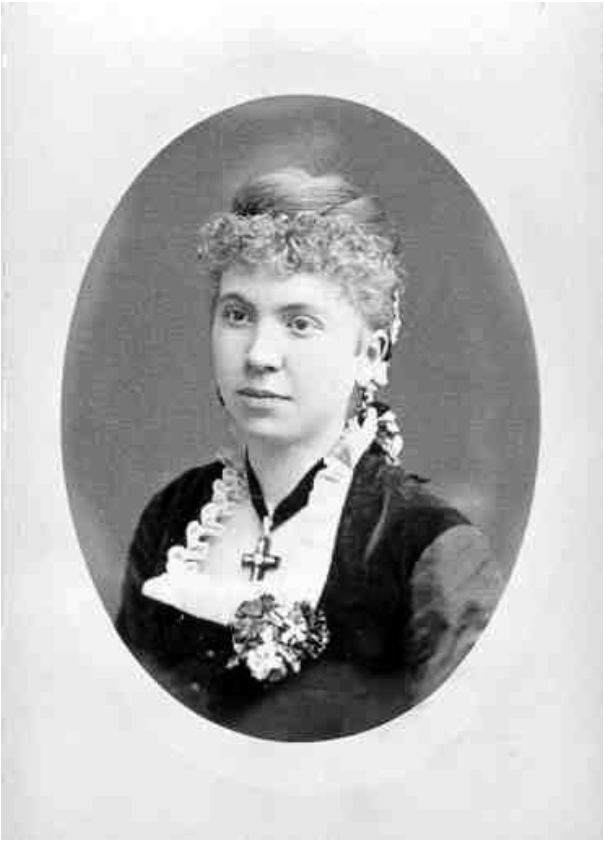
Marie Litta was an opera singer. She was a soprano, who, in a brief career, sang in a number of major venues in America and Europe. Raised in Illinois by a family descended from German nobility, she started vocal training at four, sang for President US Grant at 12, and entered the Cleveland Conservatory of Music in 1872. She continued her training in London in 1874, and made her professional debut at the Drury Lane Theatre in 1876. Miss Litta made her Paris bow in 1878 (it was then that she changed her name in deference to French sensitivity over the Franco-Prussian War), then returned to Chicago, making her debut there on December 2, 1878, as the title heroine in Donizetti's "Lucia Di Lammermoor". Miss Litta sang with the Strakosch and Henry L. Slayton Opera Companies, and toured the United States and Canada in both opera (often as Lucia) and concerts. Never in very good health, she returned home after her final performance in Escanaba, Michigan, on May 9, 1883. She is thought to have died of chronic meningitis. Today, Bloomington, Illinois, has a park named in her honor. In July of 1989, a park in the Historic Dimmitt’s Grove neighborhood was officially named Marie Litta Park in her memory. The park is a two acre lot near the Bloomington Public Library bound by East Jackson, South Prairie and South Gridley.
We must acknowledge the inconsistencies found when doing historical research on the spelling of the names Maria/Marie and Dimmitt/Demmitt and the dates and names of some of the renters.
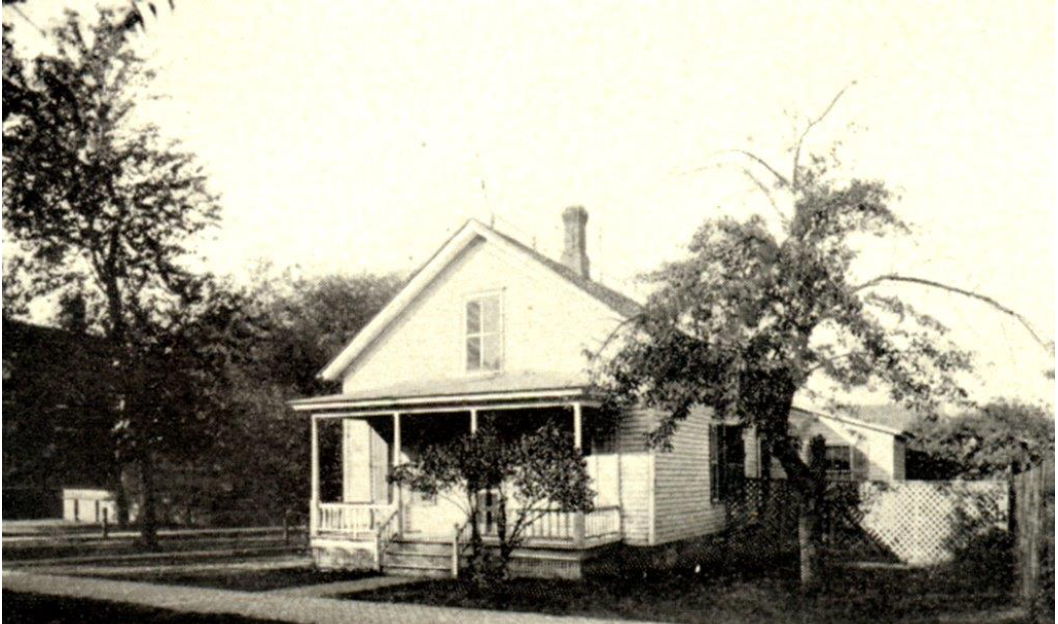
We believe the date of purchase of the land for this property was purchased in 1829 by William Evans. He sold the property in 1856 for $1,200. to carpenter John L Routt and Attorney Michael Swan. Routt bought out Swan for $500. and began construction and developed the property as a one-and-a-half story home facing Evans Street. Some of the research found that John L Routt lived here for a short time until he left for the civil war. The property sold several times, was rented out, and remodeled. Owners: John Nicolls, William Batchelder, Nicholas Brandican, Charles Snow, Martin Kaufman, in 1986 the Eaton’s became the new caretakers and owners.
john-routt
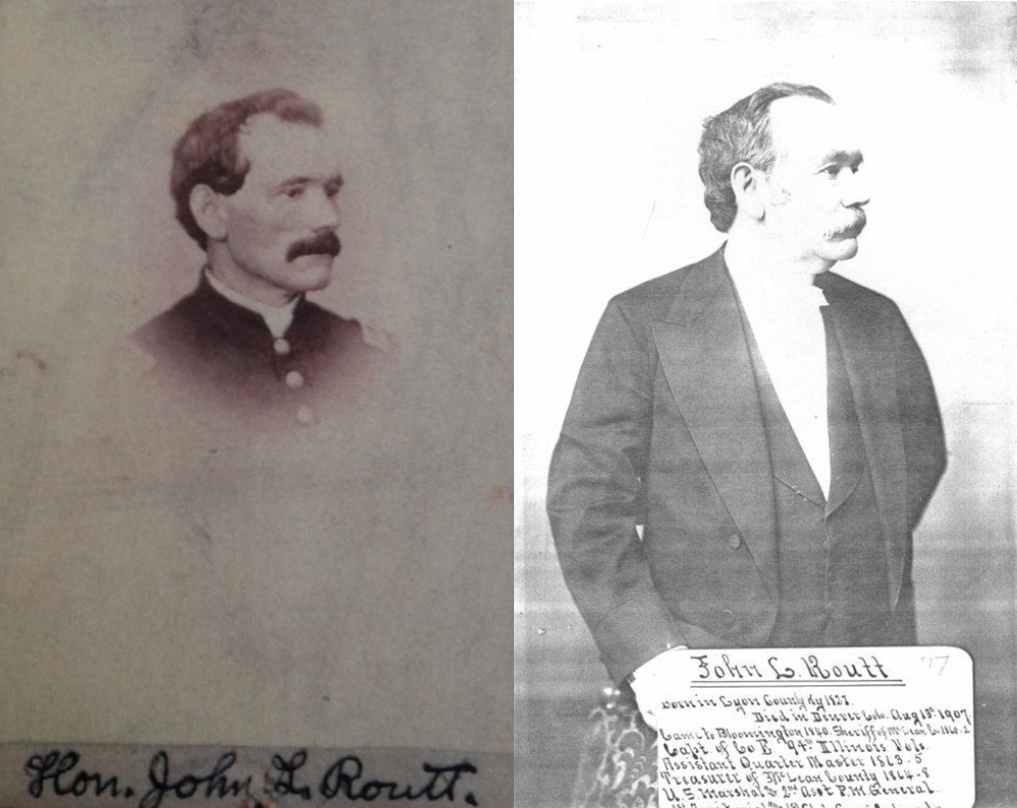
John L. Routt (1826-1907) was a carpenter, sheriff, and mayor. He was a young carpenter when he built this house. It is listed as his home for a short time. He fought in the Civil War and earned particular distinction at the Battle of Vicksburg. He gained the respect and friendship of General Ulysses Grant who appointed him governor of Colorado, whereby he holds the distinction as the last appointed governor and the first elected governor of Colorado in 1876. Routt’s duties as governor lost priority to mining. He owned his first mine in Leadville, CO and expanded this ownership to ten mines by the late 1800’s. He is often portrayed as the governor that, more frequently than some legislators preferred, labored with pick and shovel alongside the workers in his mines. Routt and his partner sold the mines, of which his reported share was in excess of $600,000. The state of Colorado recognizes his contribution with the designation of Routt County (which includes Steamboat Springs) and a commemorative stained glass window is prominently displayed in the Senate chambers of the Colorado State Capitol Building.
maria-historic
In 1878 the small cottage on the corner of Evans & Taylor facing Evans was purchased for Marie Litta’s mother, Mrs. Kate Von Elsner the daughter of William Dimmitt, Marie would stay here when not on tour. Her brothers and mother were registered as living in the house until 1887.
From 1878 to 1887 Hugo Von Elsner and Kate Dimmitt Von Elsner, daughter of William Dimmitt, occupied the house at 512 East Taylor. Hugo Von Elsner was descended from a German family. Mr. Von Elsner, a highly educated civil engineer by profession, was also an accomplished musician.
maria-opera
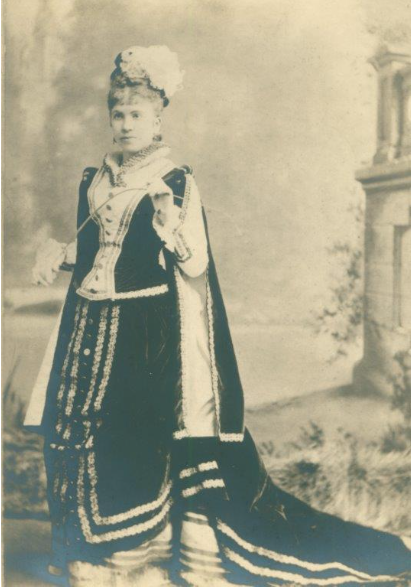
Of the Von Elsner’s five children, Marie Eugenia, born July 1, 1856, displayed an impressive musical talent. Marie Litta, as she was later called, was gifted with an exceptional singing voice. With careful training by her father, she was earning $2000 a year by the age of ten. Marie was taken to several major cities to study; her places of residence during this time included the city of Chicago. Moving to Europe at the age of 18, she continued her studies with the lessons of the noted Professor Underner of Cleveland and the patronage of a Mr. Hough until her Paris debut in 1878. French critics and public alike soon referred to her as the “Queen of Song.” During this time, Marie’s name was changed to Marie Litta. With the events connected to the Franco-Prussian war, dropping the name of Von Elsner made good sense considering the importance of her continued activities in France. Marie Litta returned to America at the close of the European Opera season the same year (1878). Embarking on an exhausting three-year performance tour, she fell ill as a result of her willingness to work far beyond the limits of her health and eventually returned to Bloomington in the spring of 1883. On July 7 of that year she died in her mother’s house. Marie Litta had just celebrated her 27th birthday.
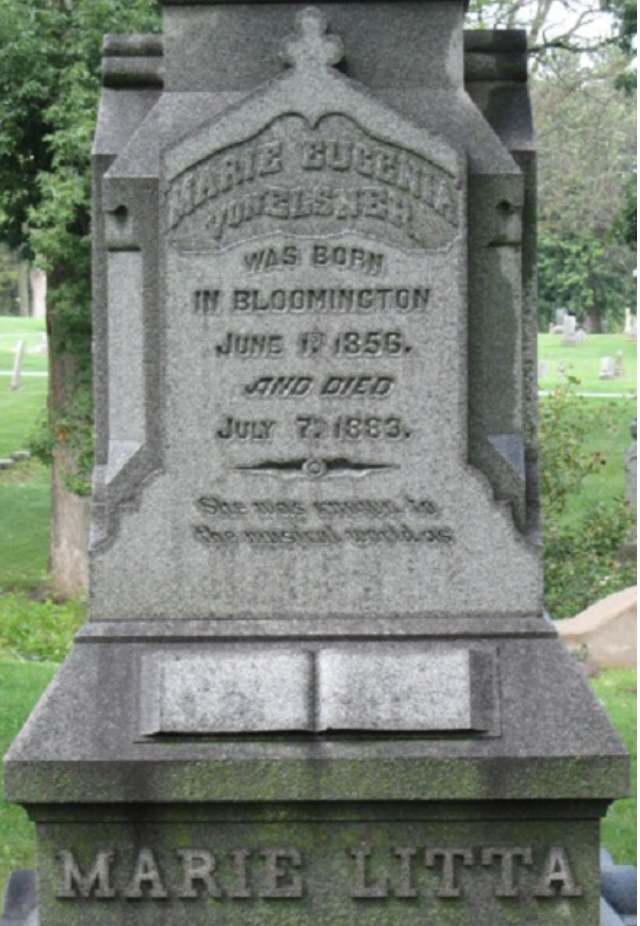
maria-grave
The citizens of Bloomington erected a stone monument to mark Marie Litta’s resting place in Bloomington’s Evergreen Cemetery. One inscription on the monument reads, “A flower is dead. A star is fallen. A bird, singing the highest and rarest melody, has gone from the groves of that time.”
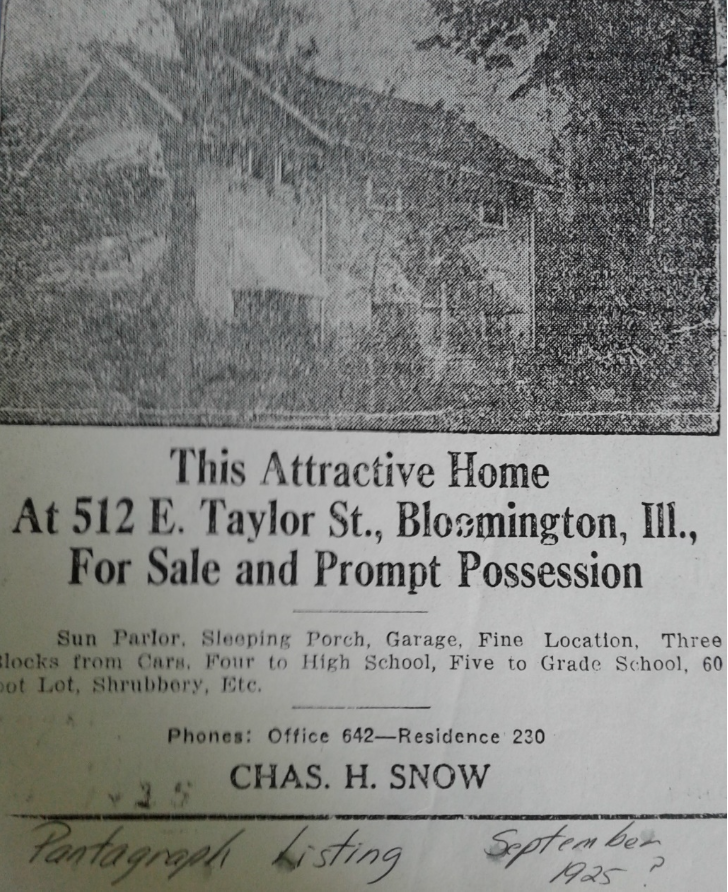
Emily Brandican and Charles Snow of Snow and Palmer Dairy were married in the home in 1913. Charles Snow remodeled the property changing the front to face Taylor St. He added a second story, sun room, and sleeping porch to the home which he sold to the Kaufmans in 1925. The lilac bush in front of the porch on the East Side facing Evans St. may be the mother bush that is still there today.
maria-ad
The current occupants of 512 East Taylor, Herb and Pamela Eaton, have done extensive re- designing and remodeling, adding a great deal of originality and charms to this historic home.
The gate at 512 E Taylor reflects the present owner’s desire to carefully blend new elements with the old as the new caretakers of this corner property.
Information courtesy of Pamala Eaton and the Pantagraph Archive.